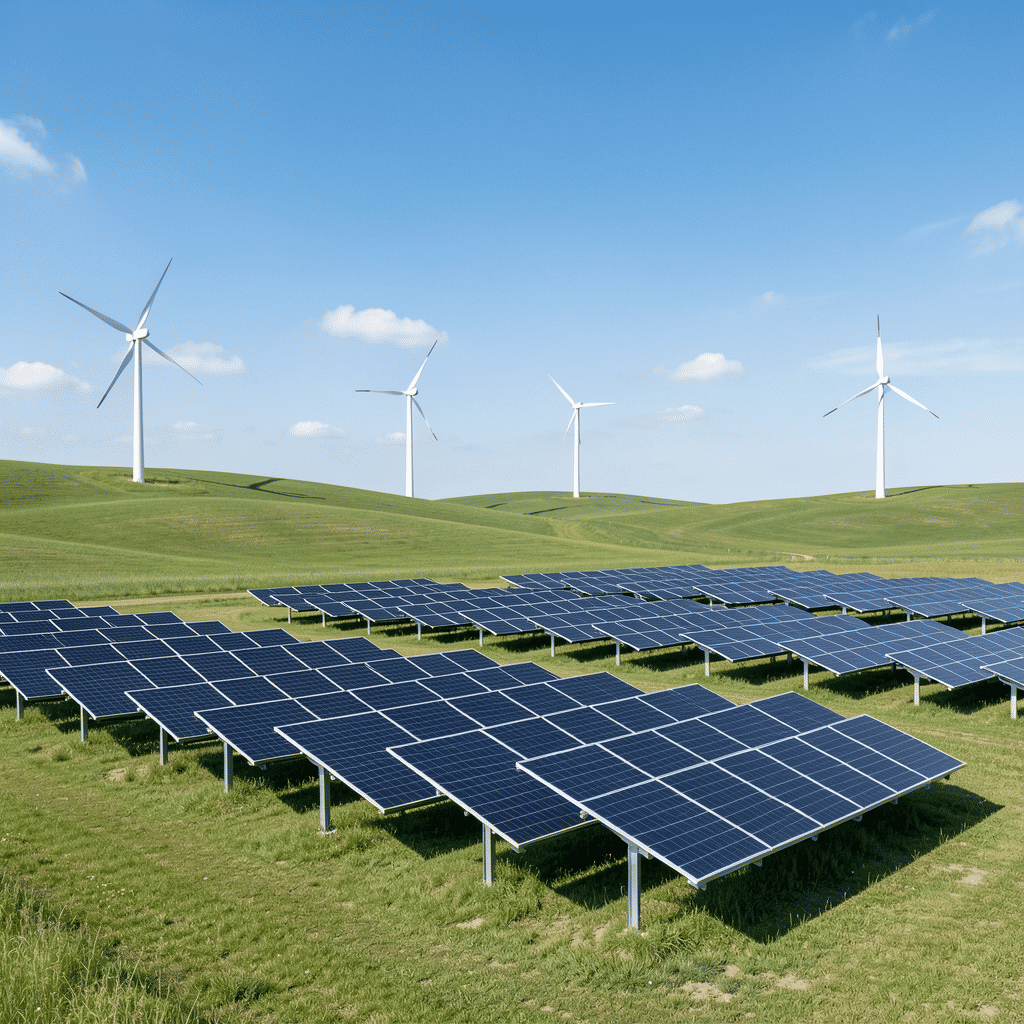
As the global awareness of climate change intensifies, the focus has increasingly shifted toward renewable energy sources, which hold the promise of substantially reducing greenhouse gas emissions. With the world grappling with the existential threat of climate change, innovations in renewable energy technology have become crucial. These innovations are paving the way for a cleaner and more sustainable future, minimizing reliance on fossil fuels while enhancing energy security.
Advancements in Solar Energy
Solar energy remains one of the most promising renewable energy sources, and recent technological advancements have significantly enhanced its efficiency and affordability. Innovations such as perovskite solar cells are rapidly gaining attention due to their potential to improve solar panel efficiency at a lower cost. These materials can be manufactured using simpler processes compared to traditional silicon-based solar cells, potentially reducing production expenses and making solar energy more accessible globally.
Furthermore, floating solar plants—solar panels mounted on water bodies—are gaining traction. These installations can help in reducing water evaporation, making the technology especially beneficial in drought-prone areas. Additionally, floating solar plants utilize otherwise unused bodies of water, preserving land for agricultural and other uses.
Wind Energy Innovations
Wind energy has seen remarkable progress, too. Turbine designs have evolved to be more efficient, capturing more energy from the wind than ever before. Developments such as the creation of larger and more powerful offshore wind turbines have expanded the potential for harnessing wind energy in areas that were previously considered less feasible. The integration of artificial intelligence and machine learning technologies in wind farms optimizes performance and predictive maintenance, thereby enhancing resilience and reducing downtime.
Energy Storage Breakthroughs
The intermittency of renewable energy sources like wind and solar has long been a concern. However, advances in energy storage technologies are addressing these issues. Lithium-ion batteries, commonly used in various storage applications, are becoming more efficient and affordable. Beyond lithium-ion, new technologies like solid-state batteries and flow batteries are emerging, offering higher energy densities and safer storage options.
Moreover, grid-scale storage solutions such as pumped hydropower storage and gravity storage systems are being developed and refined. These innovations support the stability of the energy grid by storing excess energy generated during peak production times and releasing it during high demand periods.
The Rise of Green Hydrogen
Green hydrogen, produced via electrolysis powered by renewable energy, holds immense potential as a clean energy carrier. It can be utilized for electricity generation, as a fuel for transportation, and in various industrial processes, offering a versatile solution for sectors with traditionally high emissions.
The development of more efficient electrolyzers is making green hydrogen production more feasible and cost-effective. Current research is also exploring the use of lower-cost catalysts and materials to further reduce expenses and enhance scalability.
Integration of Smart Grids
The transition to renewable energy is further supported by the implementation of smart grids. Smart grids use digital technology to monitor and manage electricity demand and supply dynamically. By integrating renewable energy sources effectively, smart grids improve energy efficiency and reliability. They also enable grid flexibility, ensuring that various energy sources can be harnessed optimally in real-time, and empower consumers to manage their energy use proactively.
Conclusion
Innovations in renewable energy technologies are crucial for combating climate change and building a sustainable future. From advances in solar and wind energy to breakthroughs in energy storage and green hydrogen, these developments are reshaping the energy landscape. By supporting these innovations, we pave the way for a cleaner environment, reduced carbon emissions, and a resilient energy infrastructure capable of meeting future demands. As these technologies continue to evolve and mature, the dream of a sustainable future becomes an attainable reality, ensuring that future generations inherit a healthier planet.